
April 2026
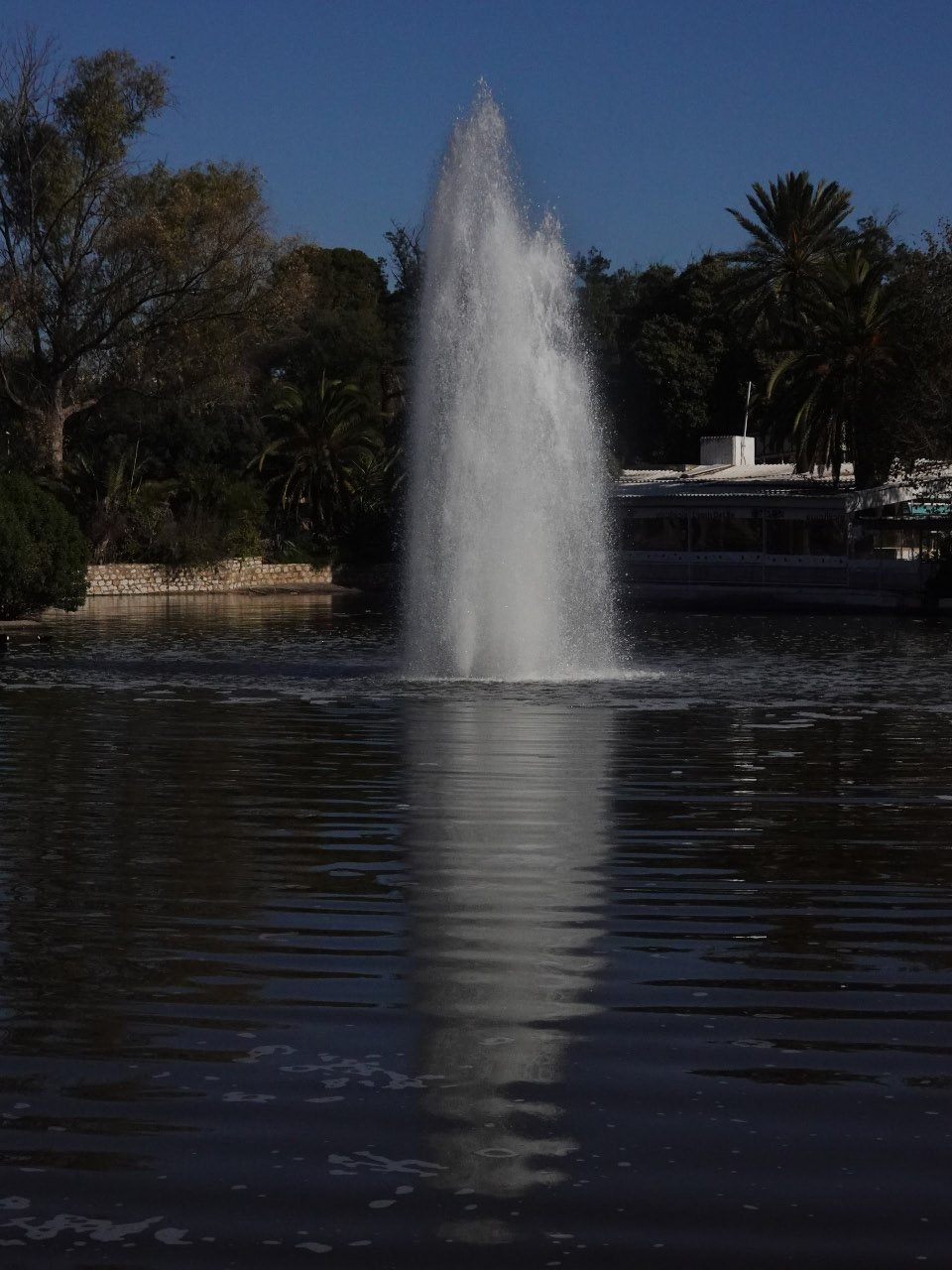
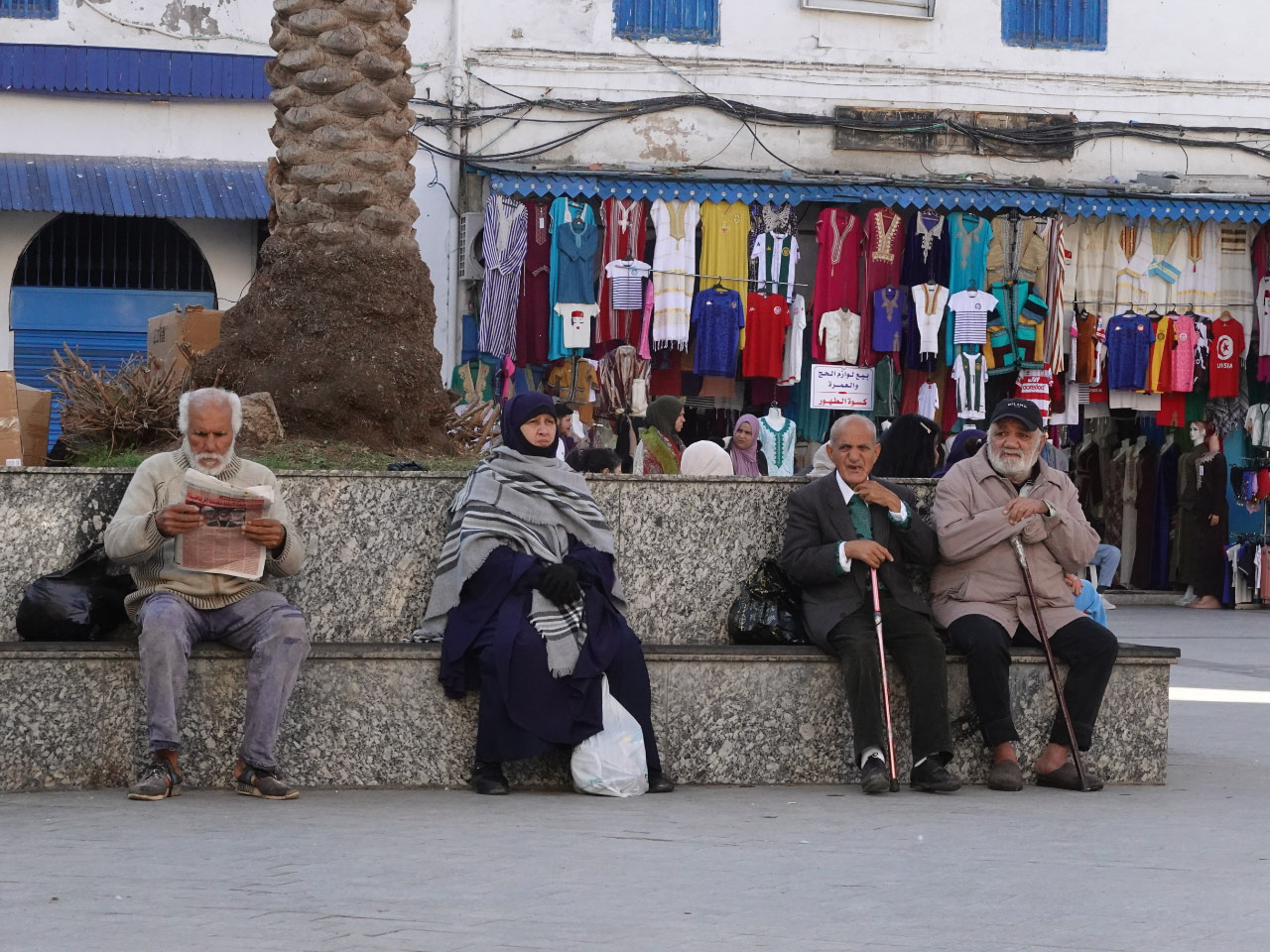
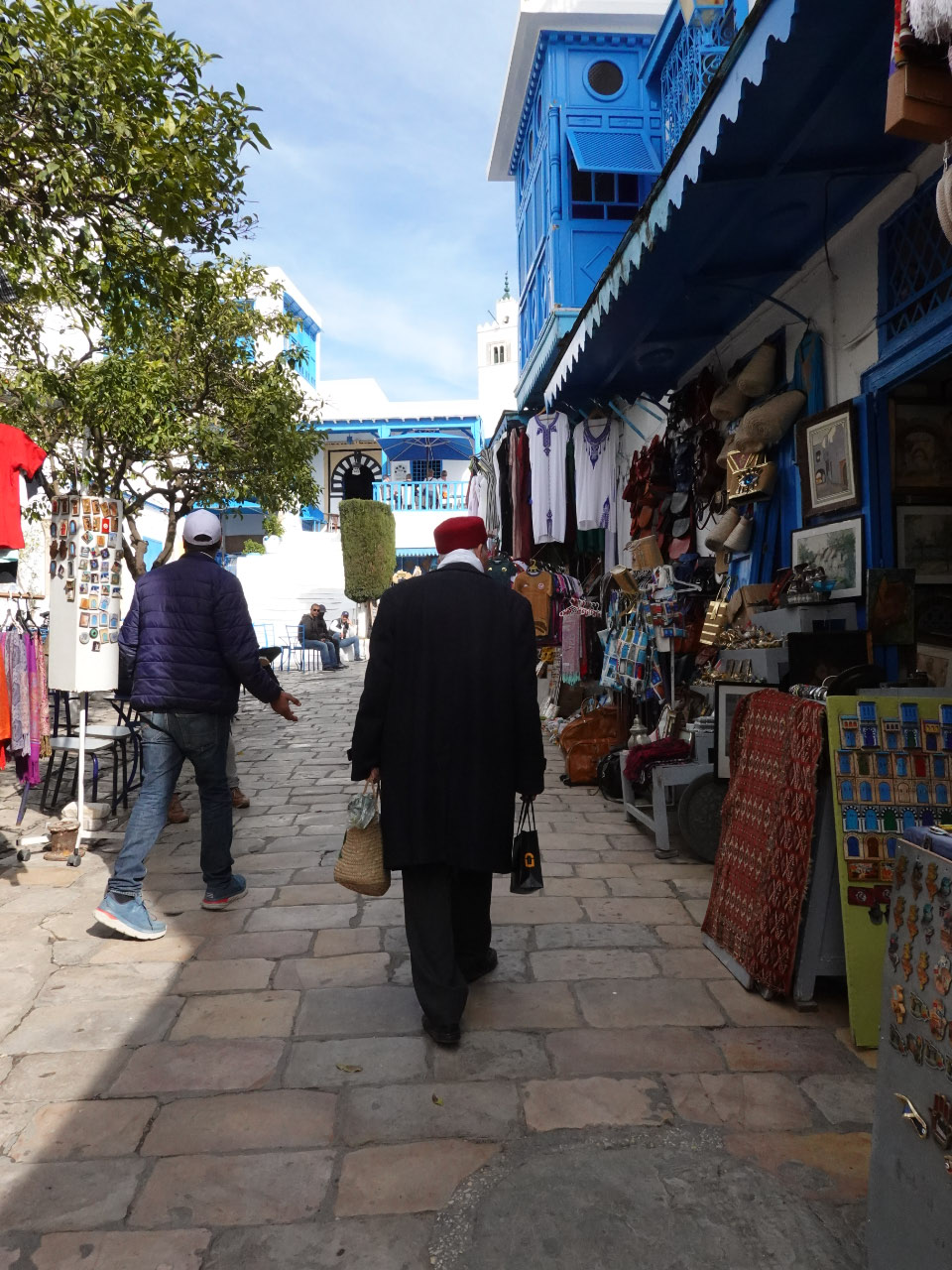
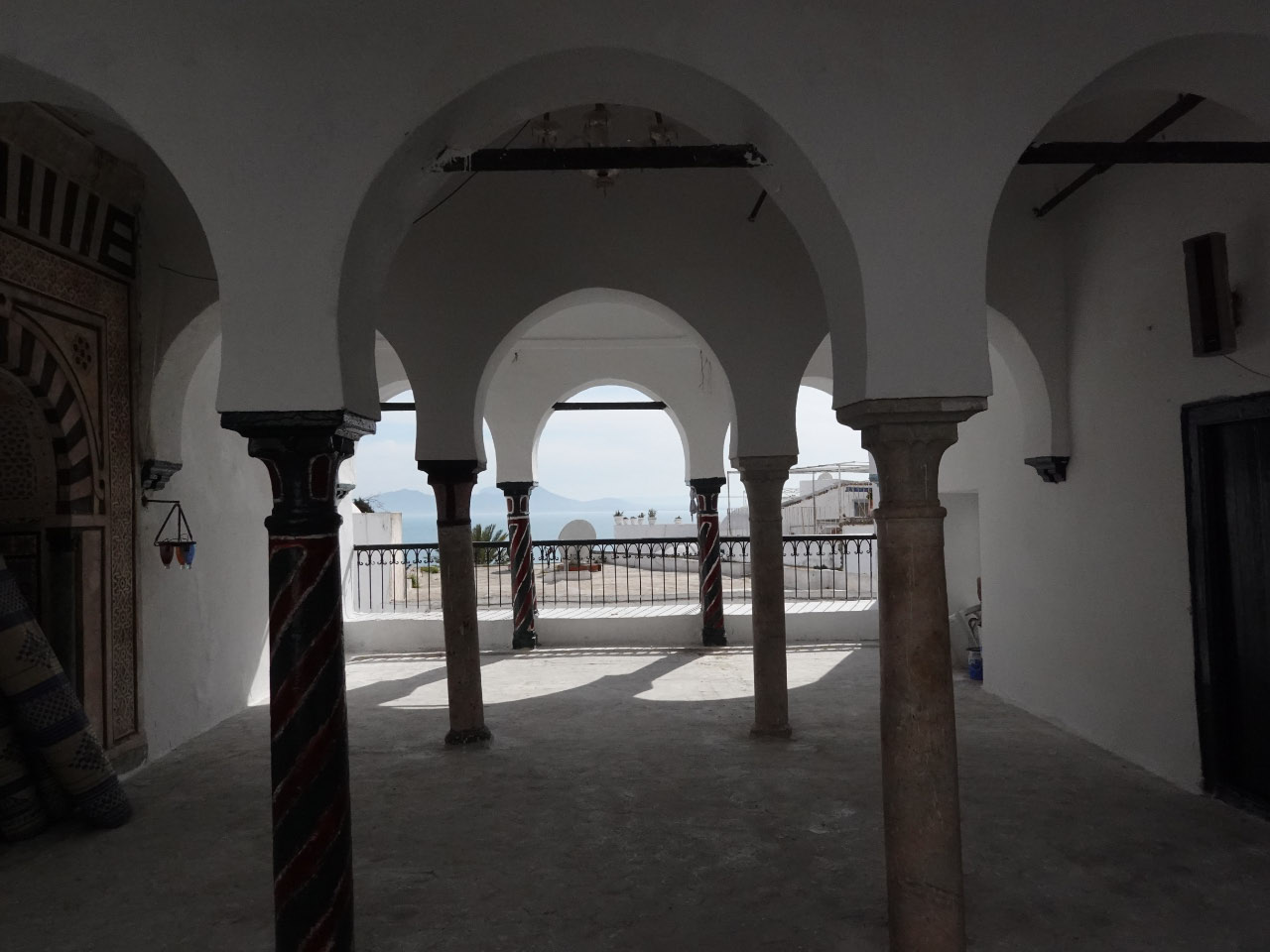
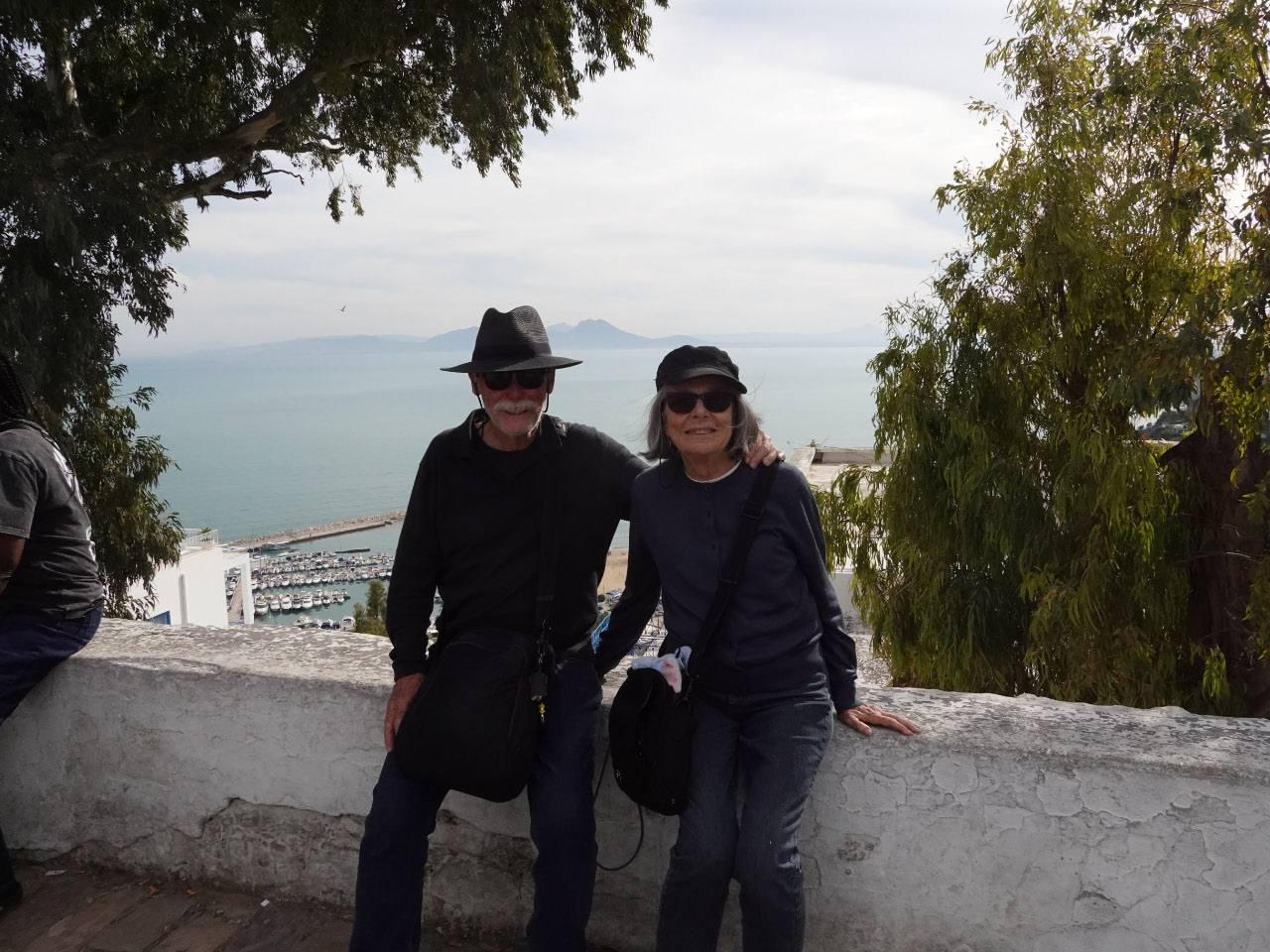
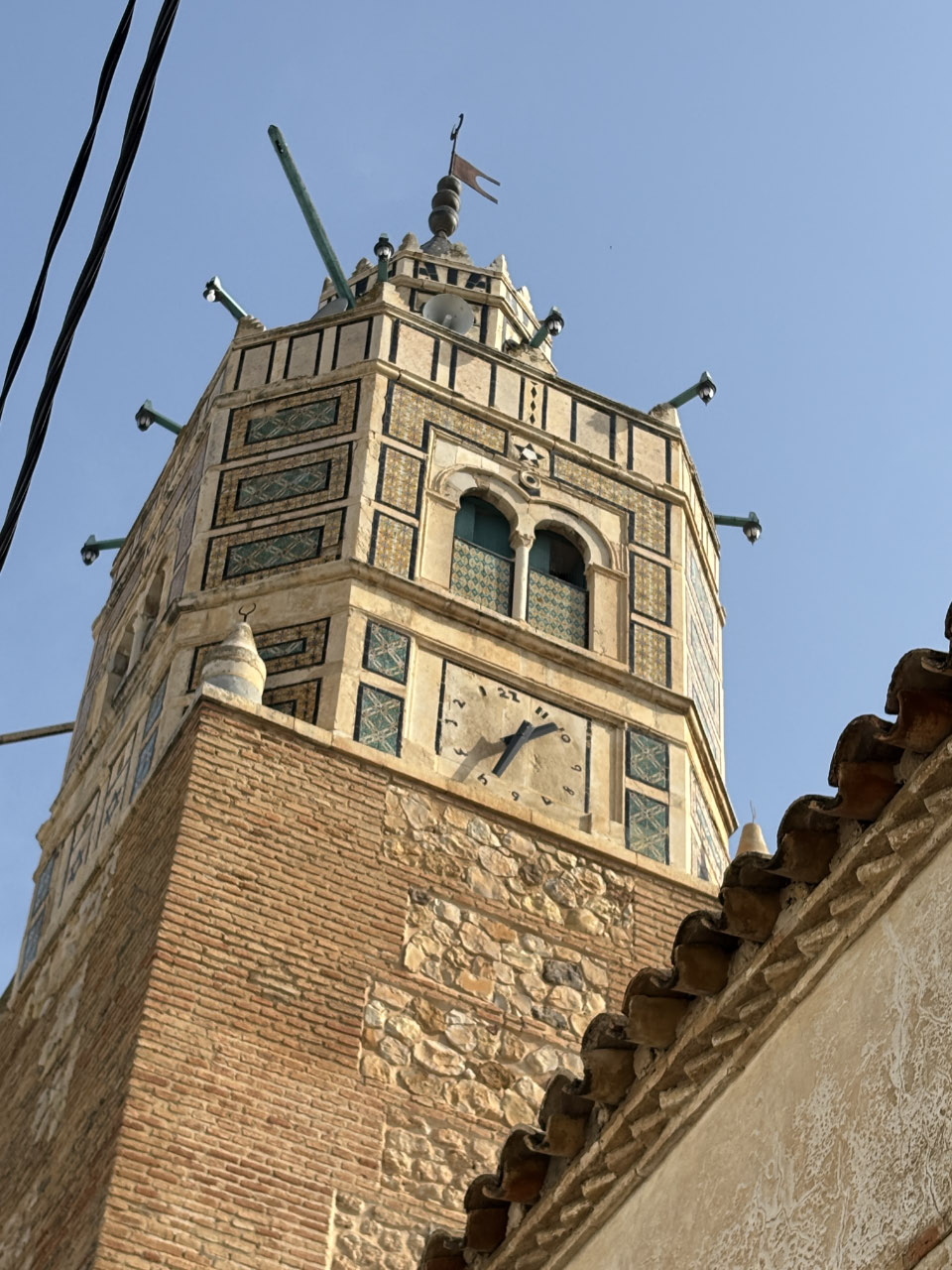
We are here for Ramadan – shops and cafes aren’t open. We hadn’t anticipated this but we had chosen a cooler time of the year to travel here.
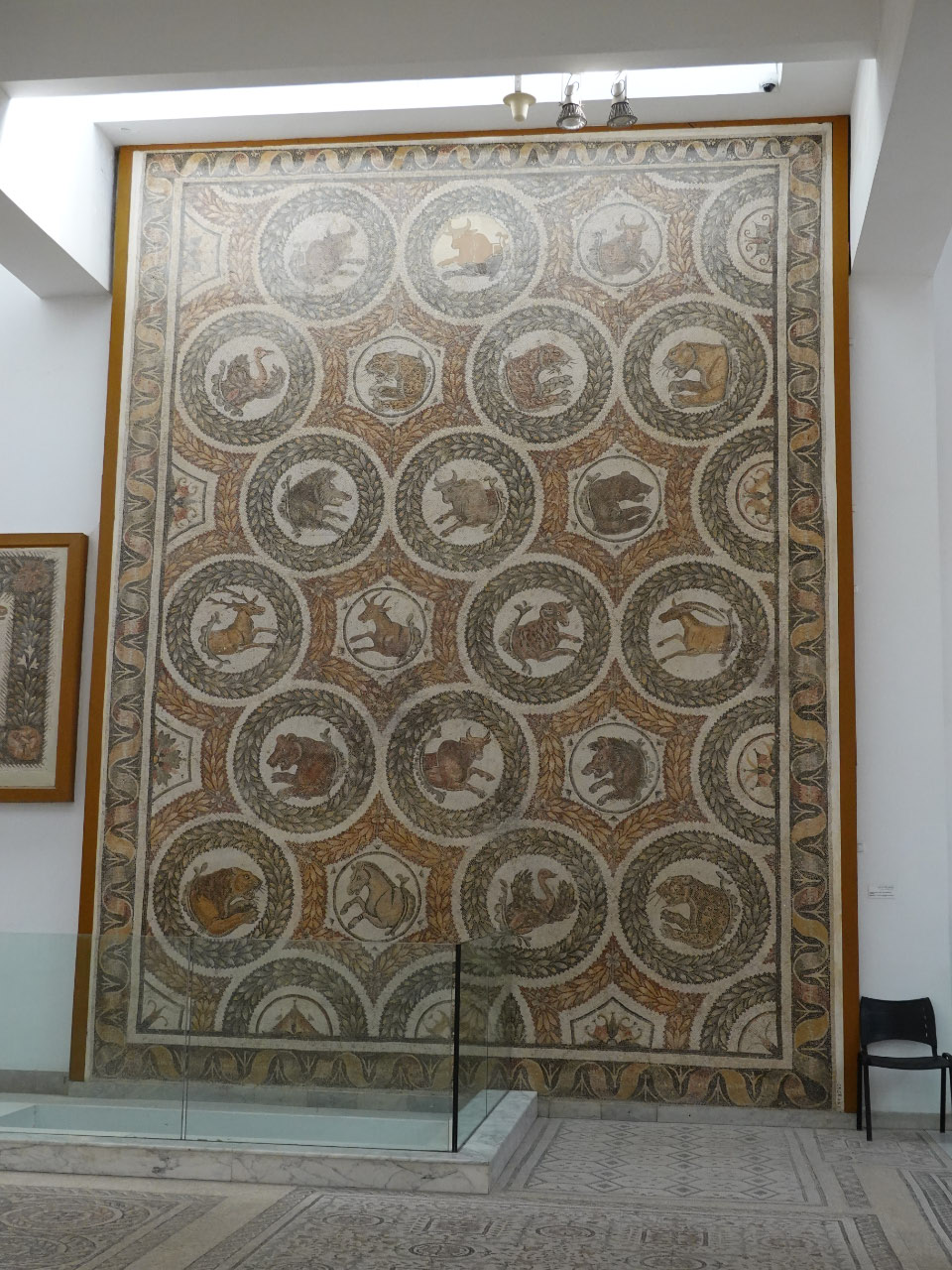
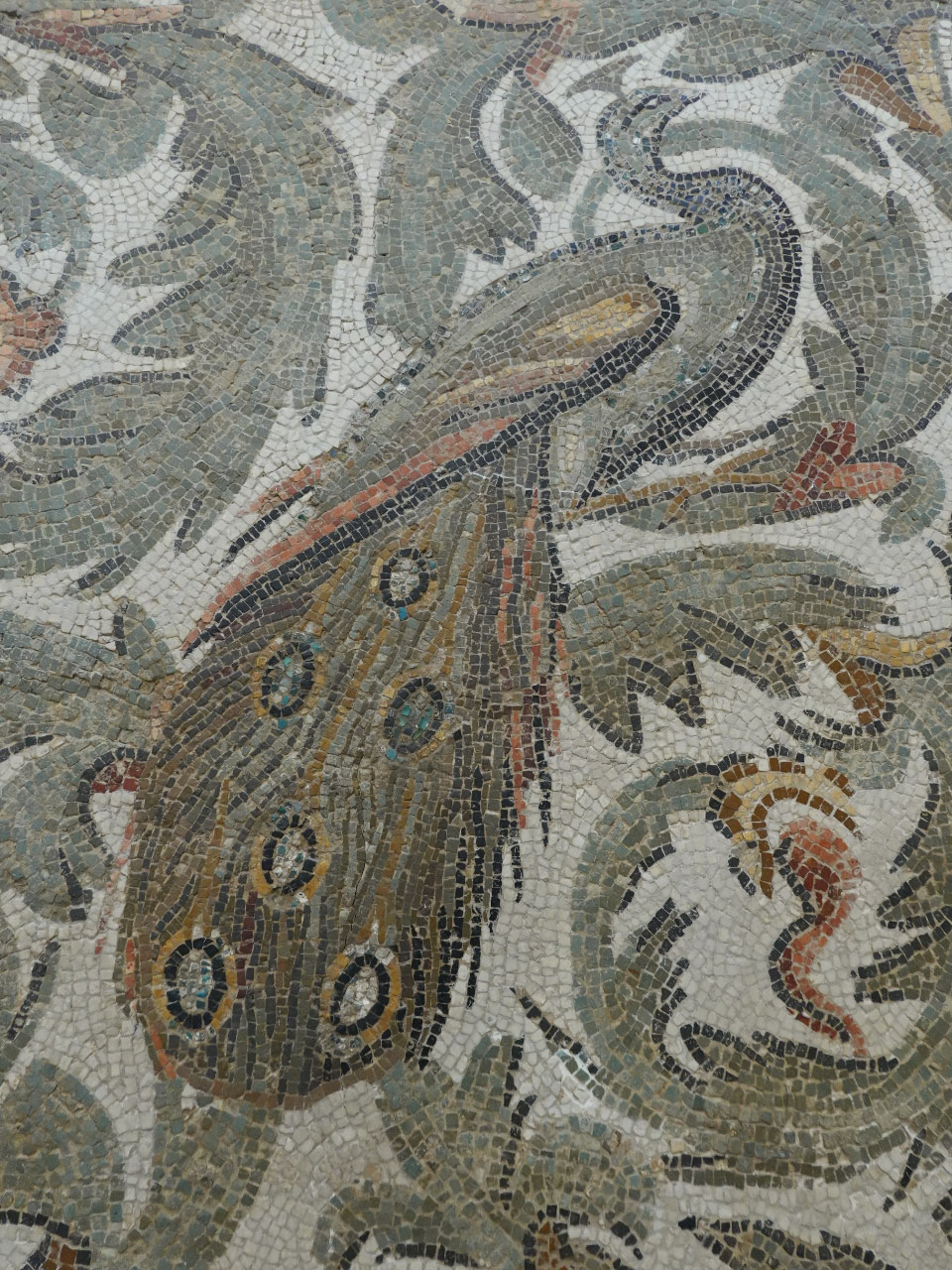
The Burdo Museum is famous for its collection of mosaics. A lot of them have come from houses of noble people in Carthage, an old Roman city. Some mosaics are enormous covering walls. Of course they would normally have been on the floor.
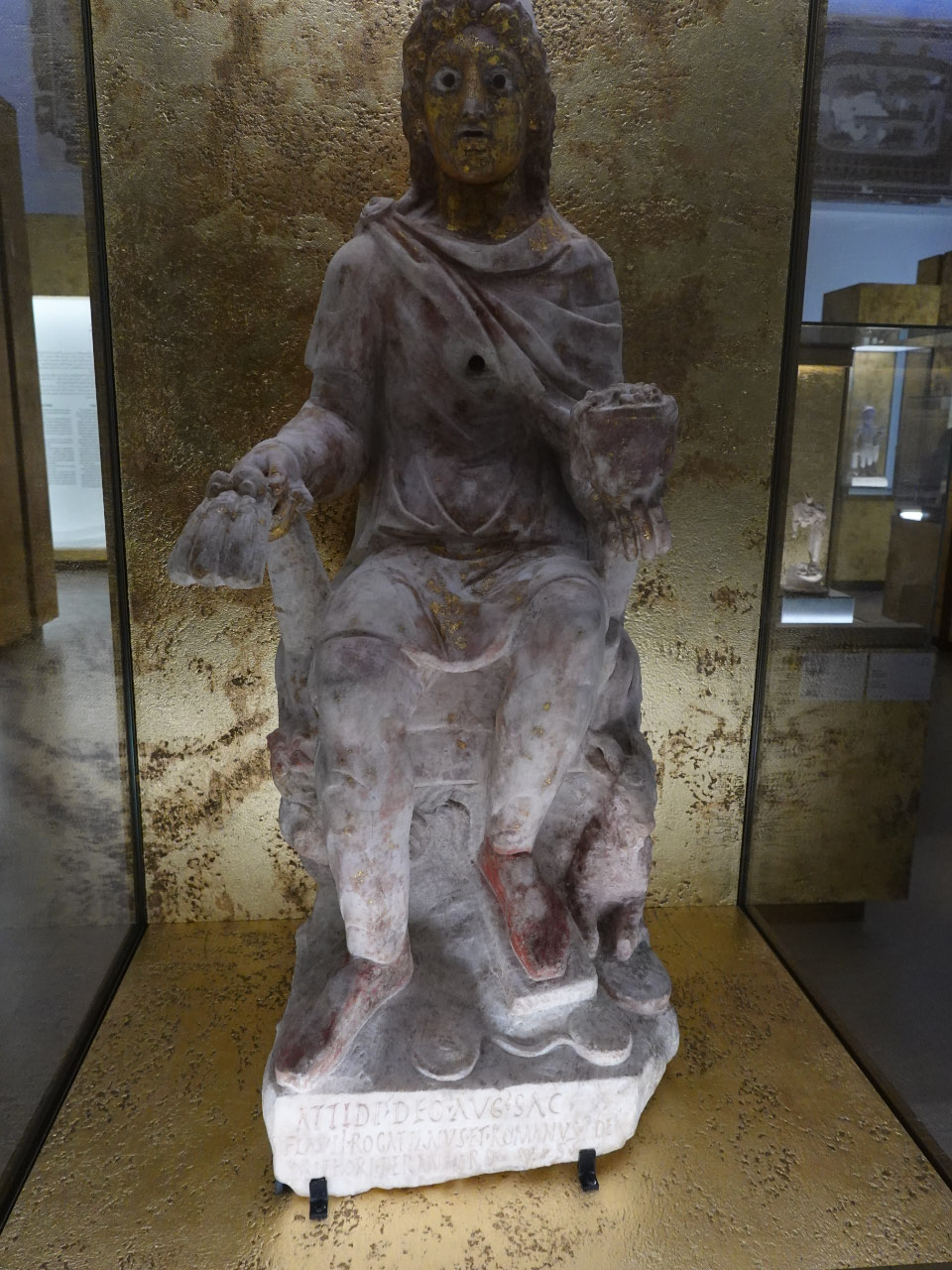
There was also an interesting exhibition from Zama Regis, a newly discovered Roman archaeological site. I was particularly taken by a statue that had a lot of colours still on it.
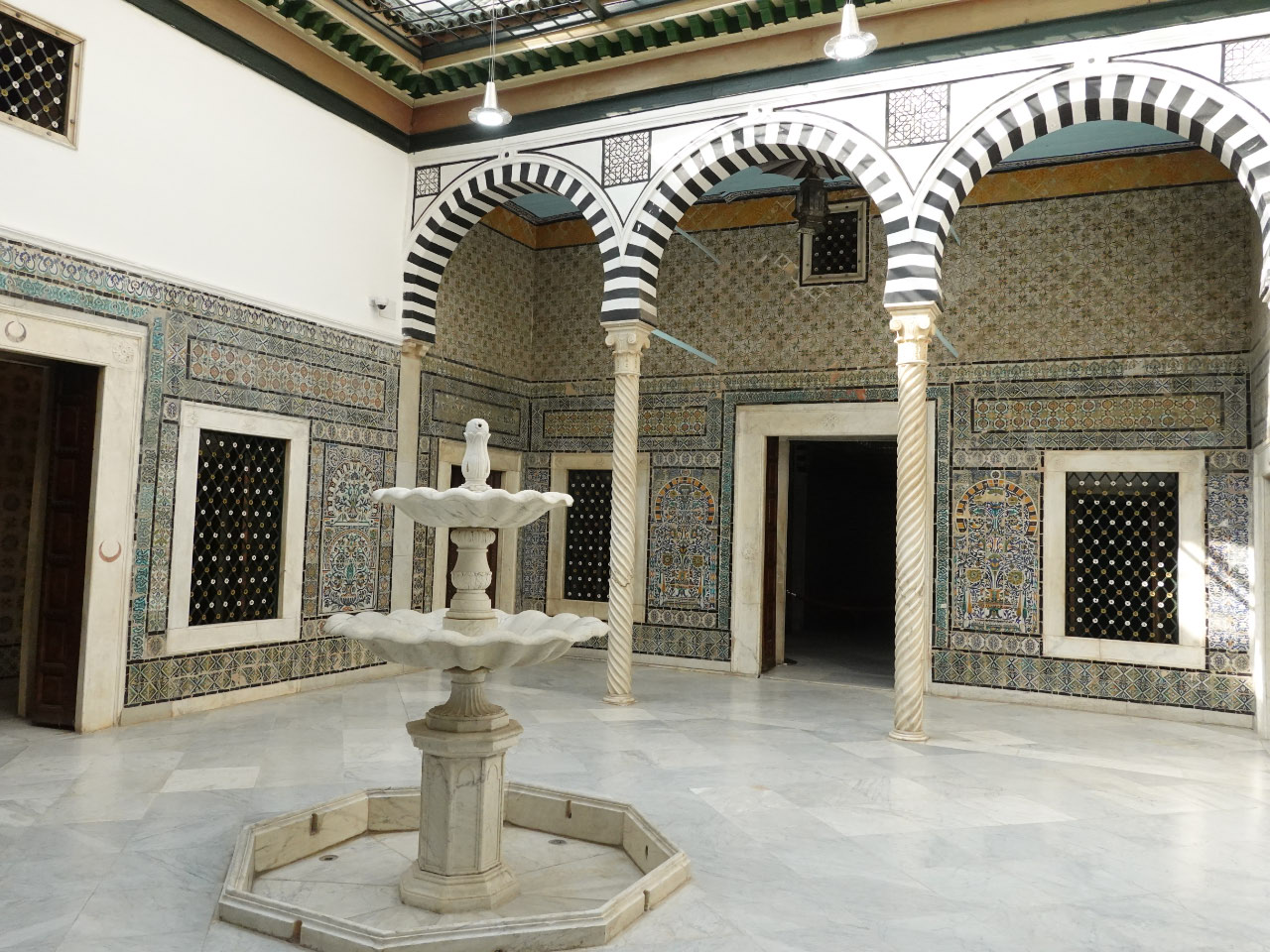
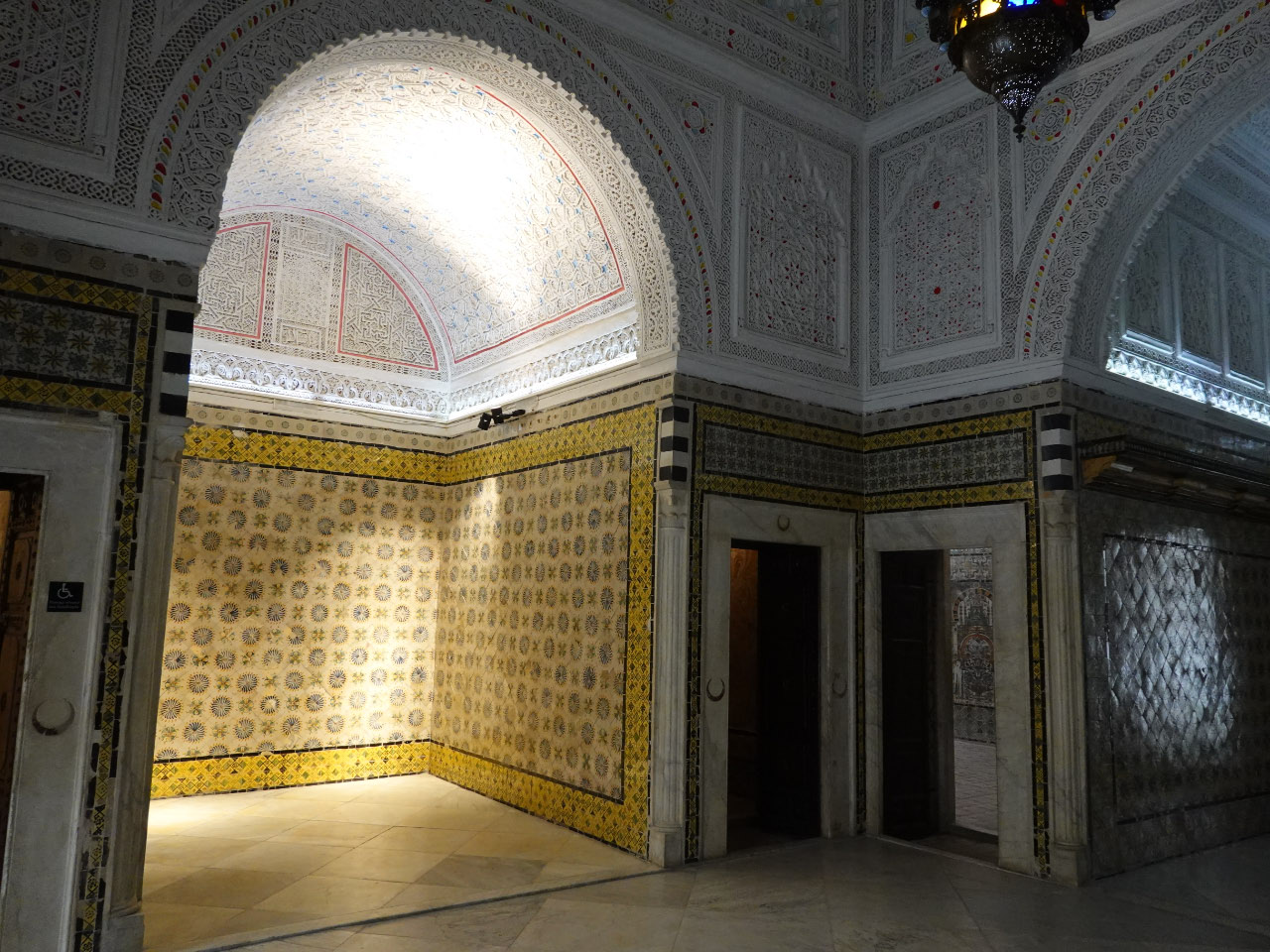
The original private quarters of the ruling Bey family form part of the museum. Beautifully tiled walls with intricately carved ceilings.
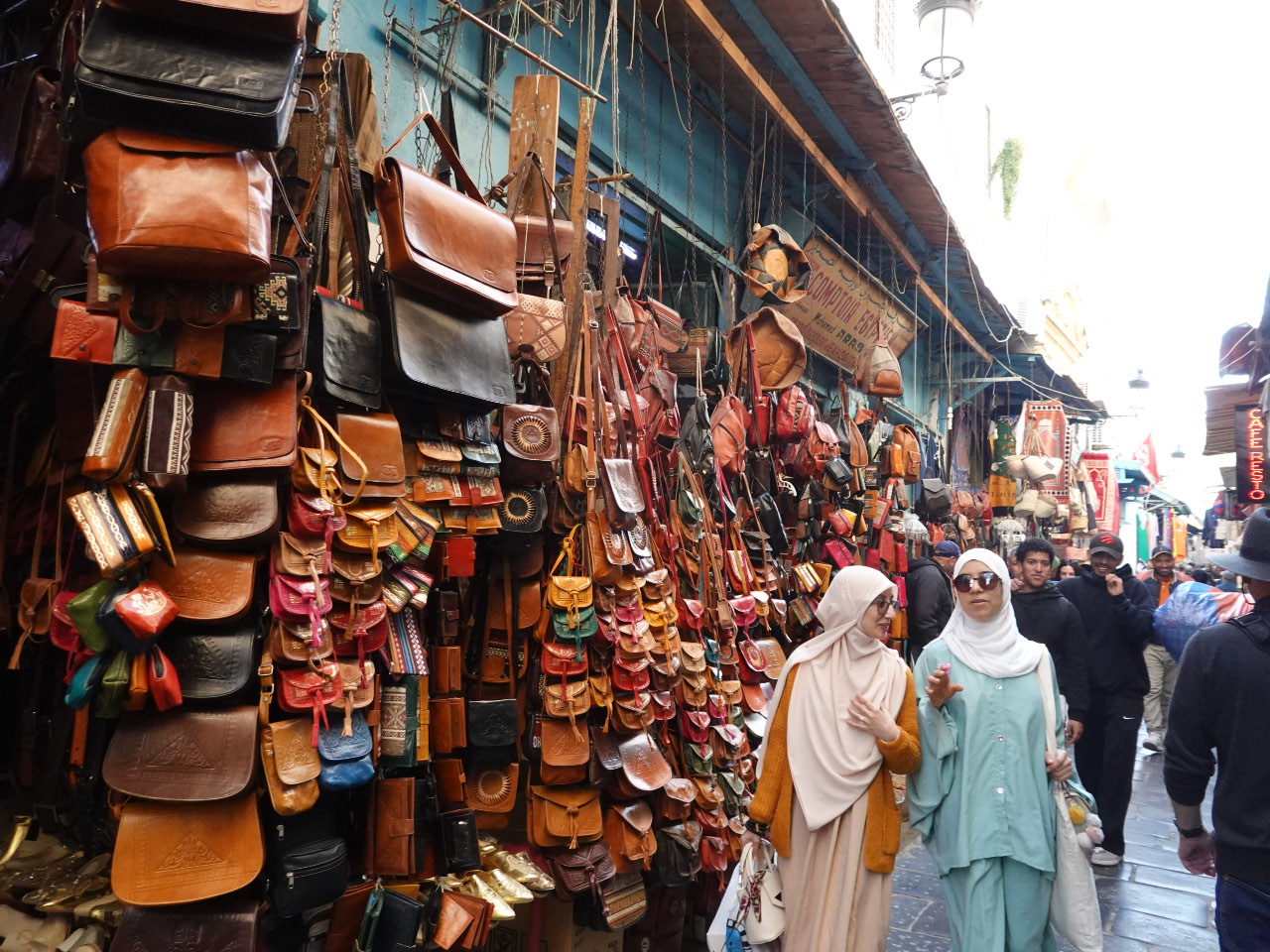
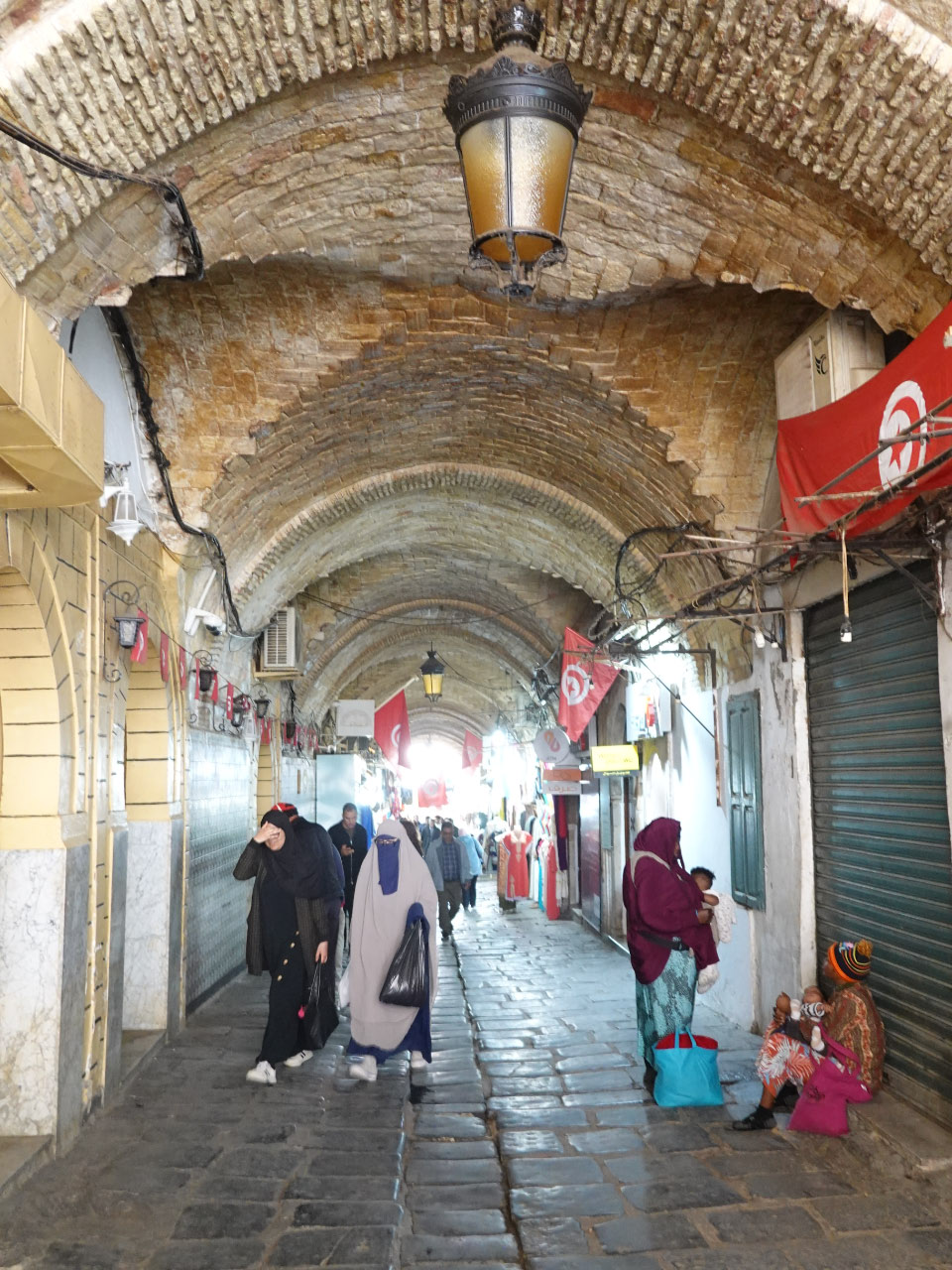
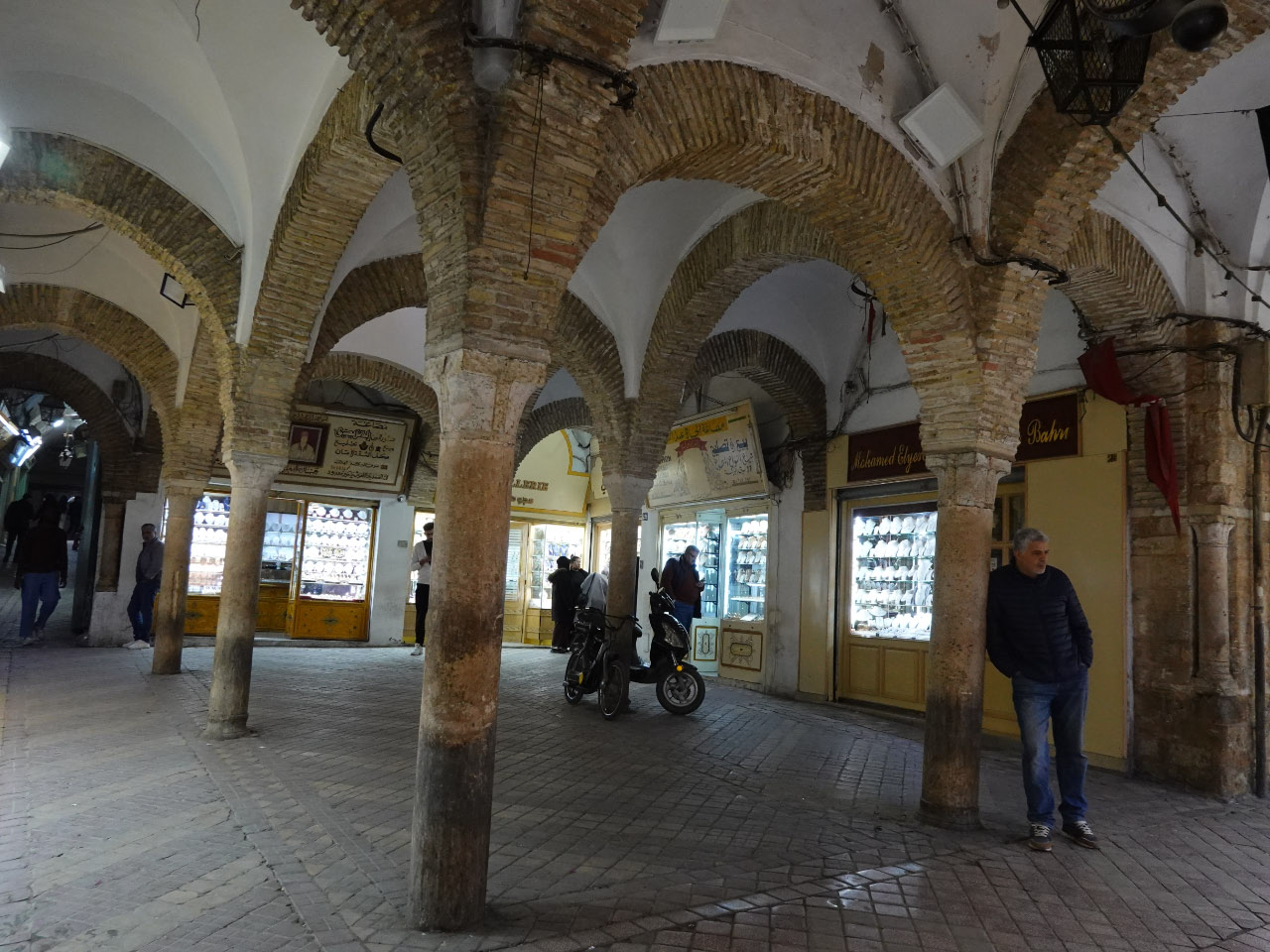
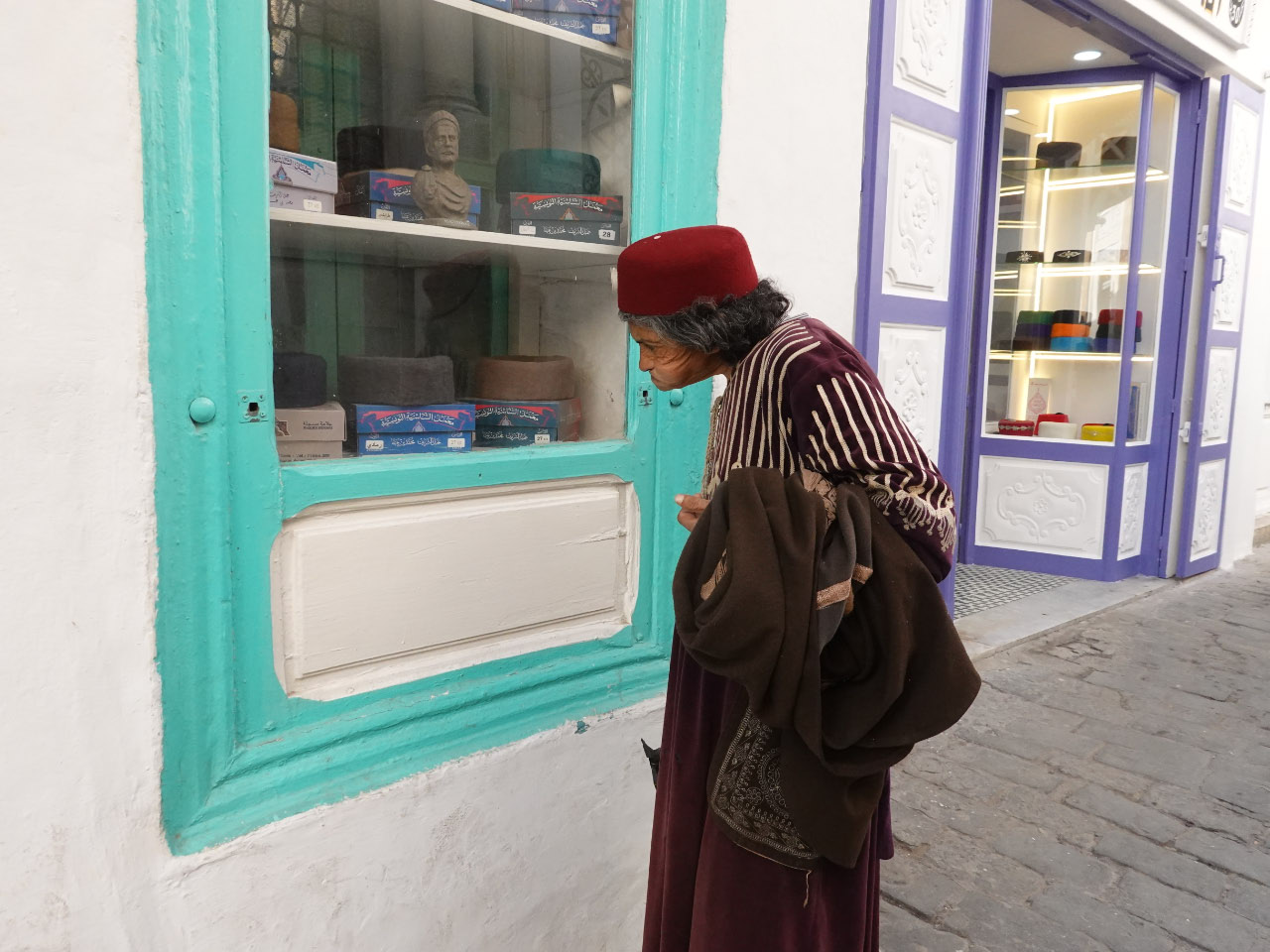
We wandered through the Medina, of course these days it’s mostly tourist type options, such as leather boots, leather bags, friendly looking toy camels and lots of shiny brass. There was some jewellery and lots of fez hats in all colours.
We finished our day exploring the upmarket part of town.
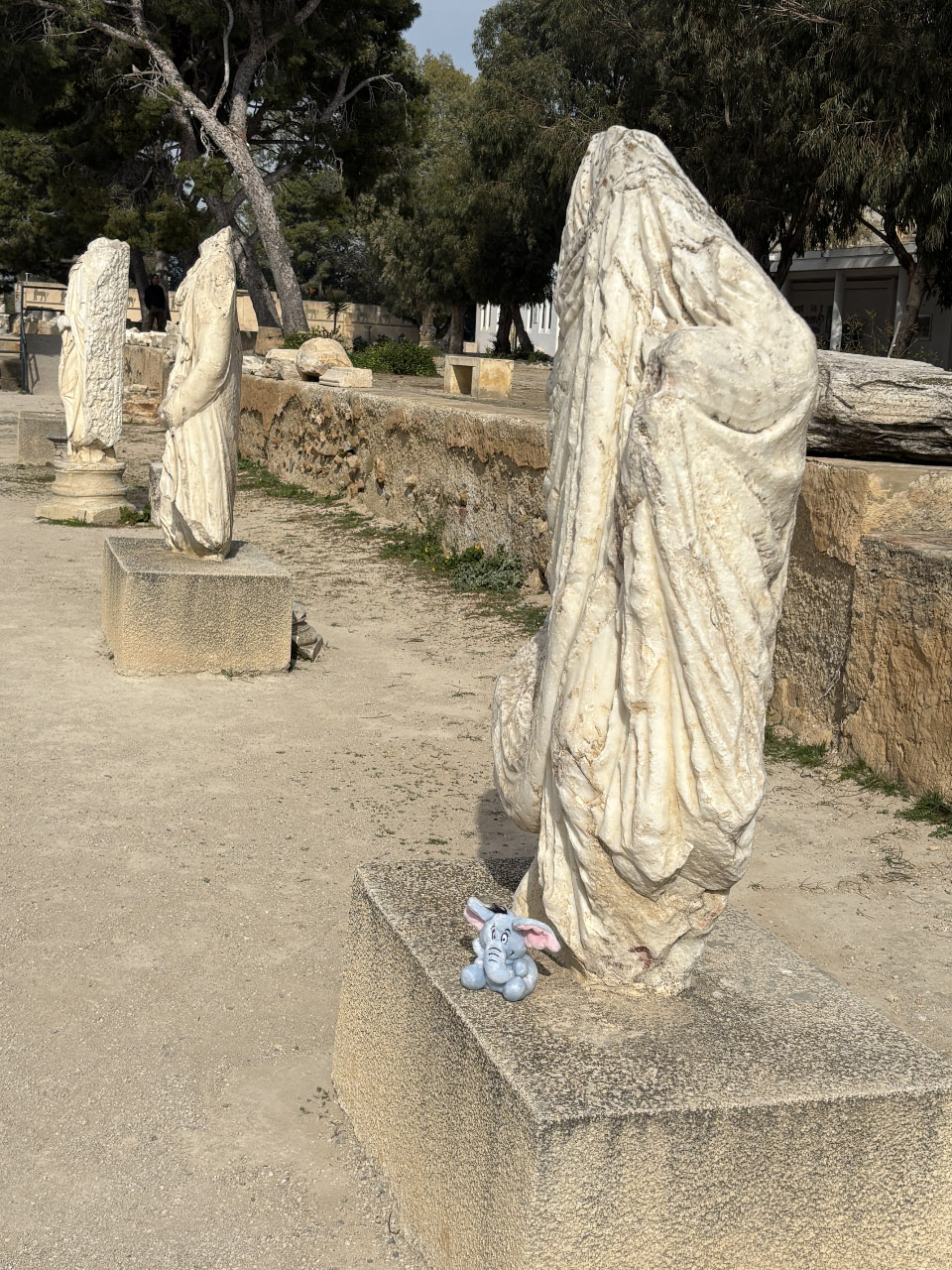
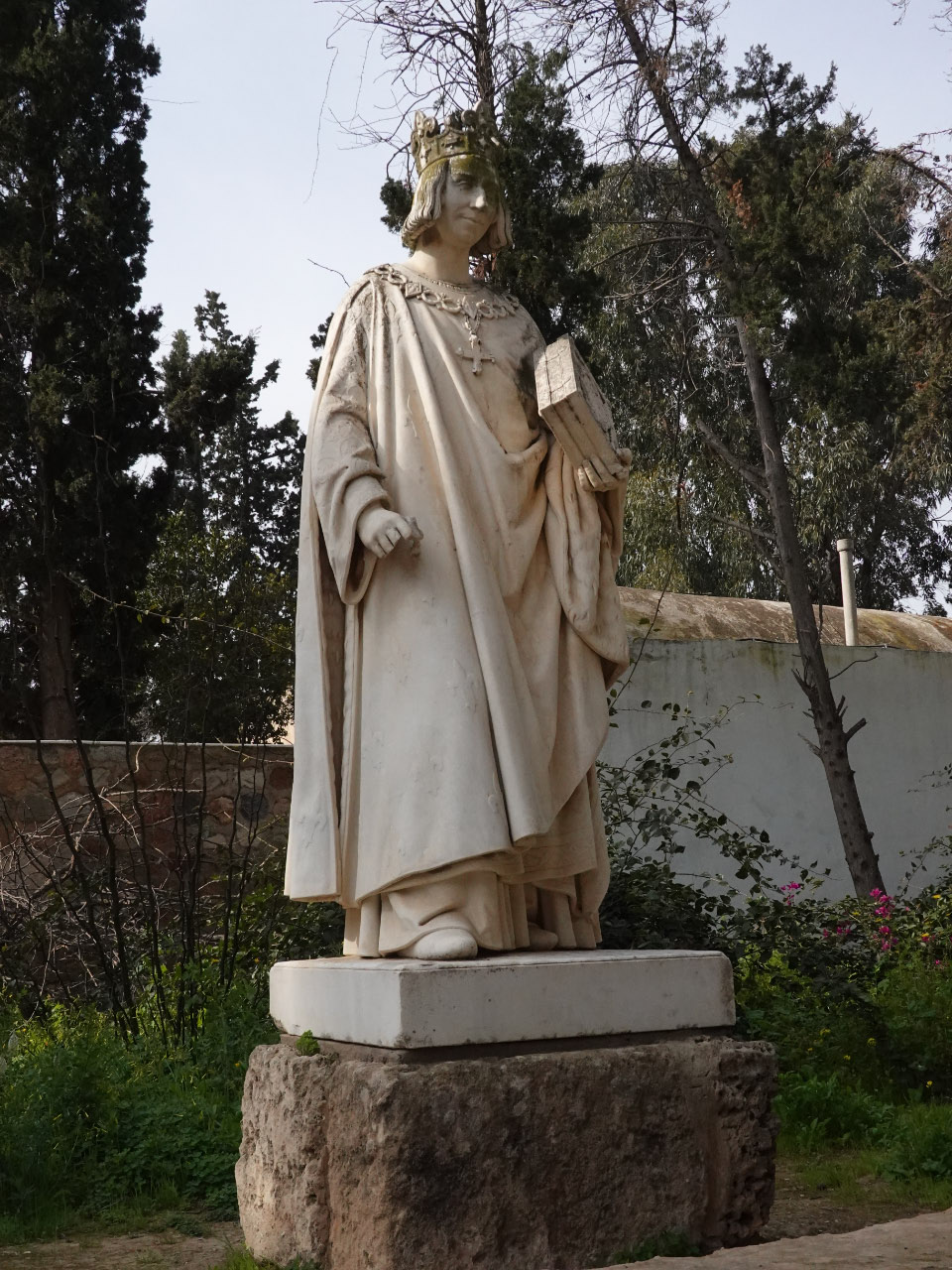
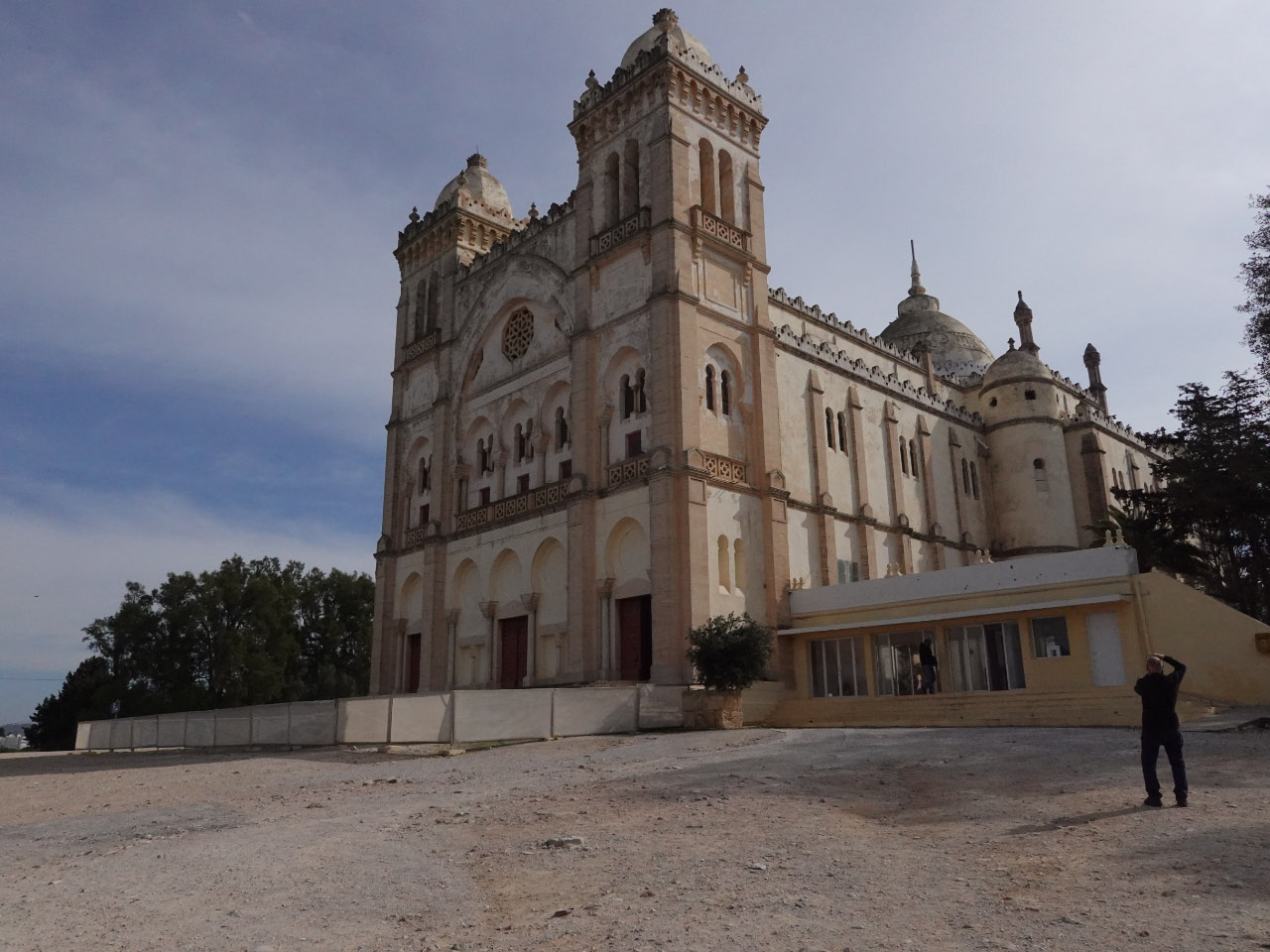
On day 2 we visited three separate areas of ancient Carthage. Firstly the national museum which is closed for renovation but we were able to see some monuments and understand the layout of the old settlements. The Basilica of St Louis 9th of France commemorates where he succumbed to the Black Death while on a crusade. He was considered the holiest king and is the only royalty to be canonised.
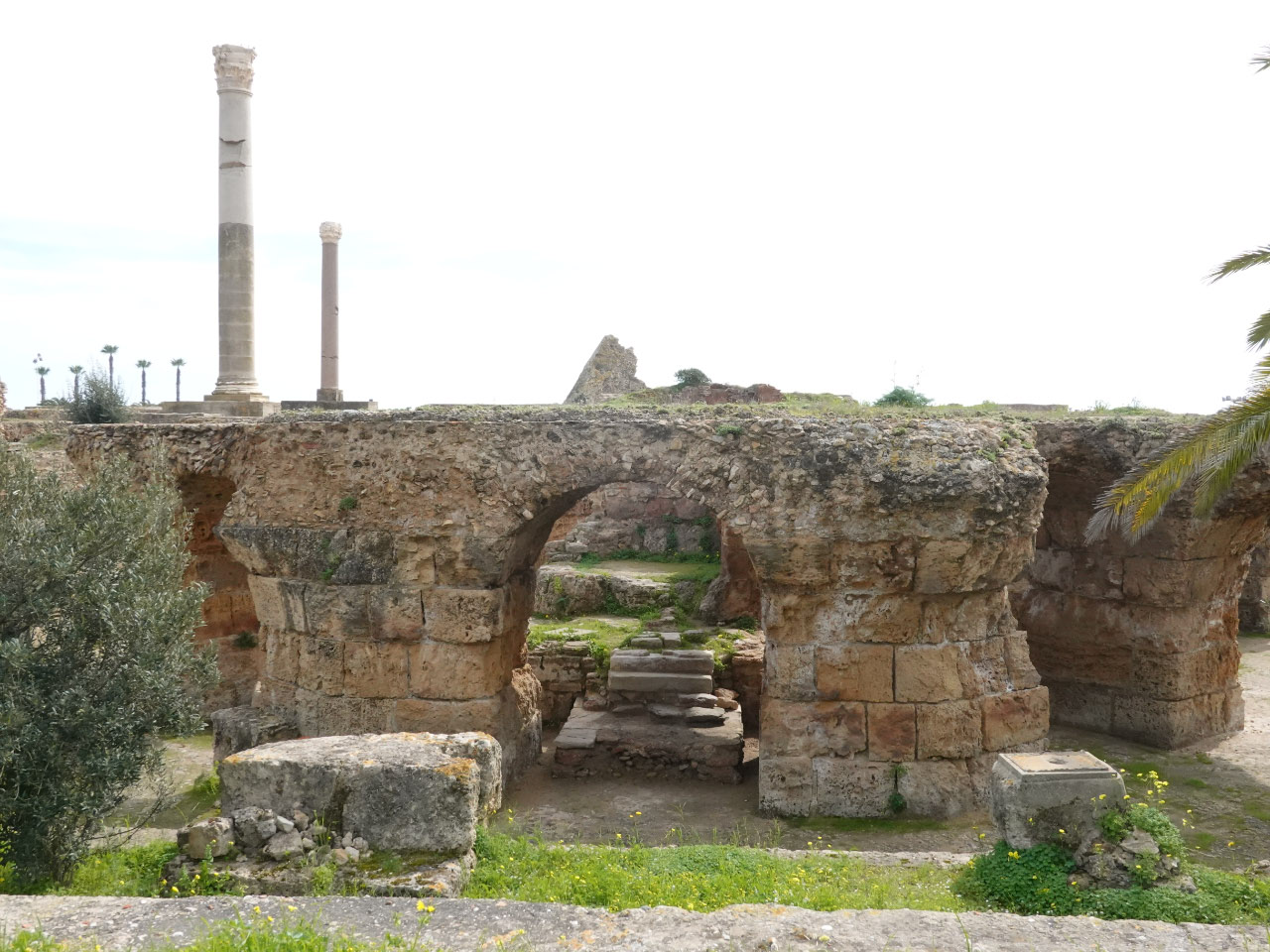
Our second stop was the Antonina Roman baths with a very good display showing how they worked.
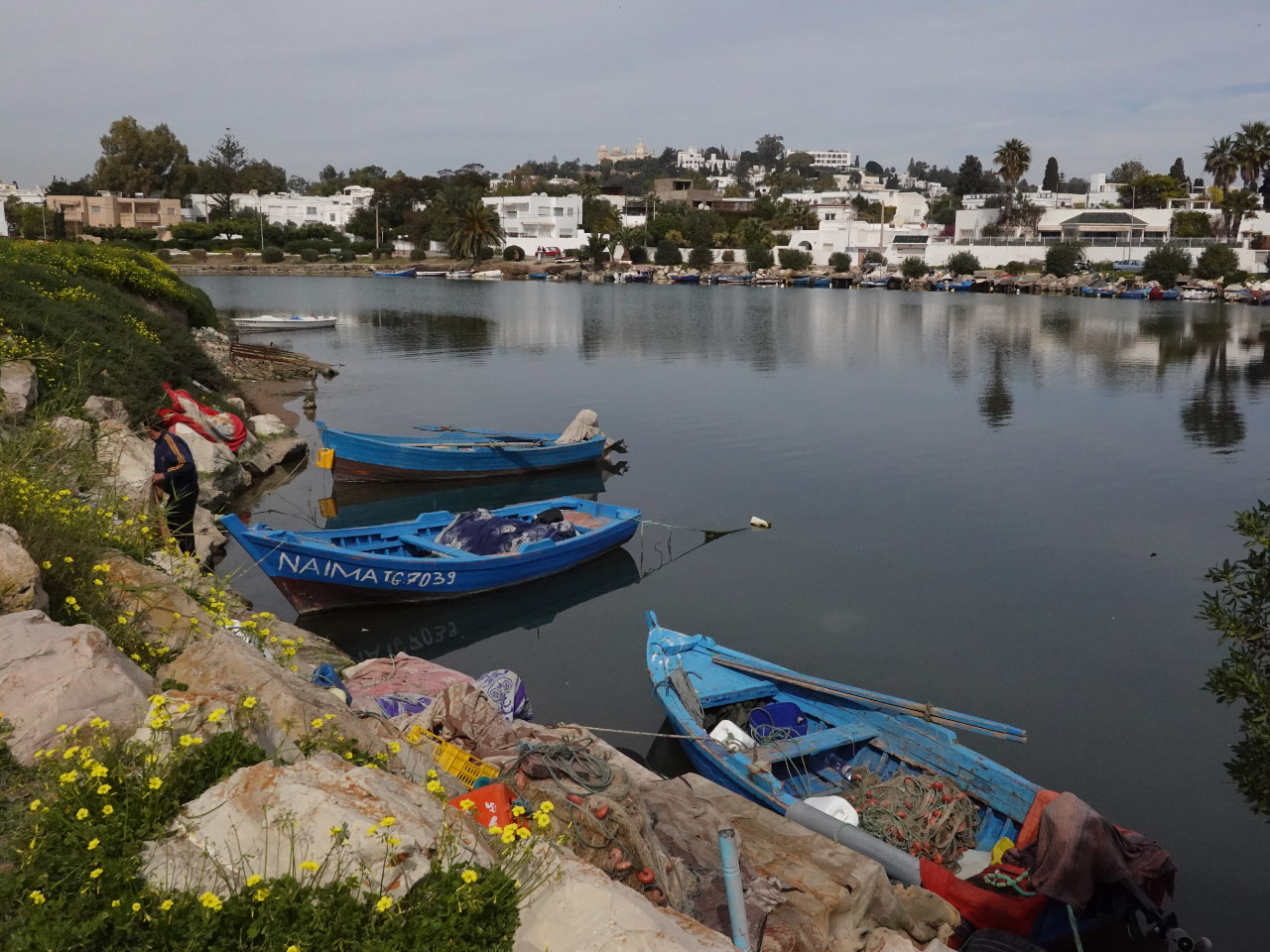
Lastly to the Phoenician port. It was in two parts – a rectangular pond where the merchant ships stopped and a discreet channel that took military ships into a circular pond with a large island in the centre. This was used to repair and maintain the 18 foot sailing ships in the 4th to 1st centuries BC.
Carthage was originally a Phoenician settlement and towards the end of the third century and into the second century BC Hannibal defended it in three separate Punic battles. In the second battle he introduced elephants probably brought up from Africa. He crossed the Alps with them. He lost badly in the third battle and retired to Armenia where he suicided by poisoning himself.
The Roman victors burned Carthage to the ground. It burnt for a year. For the next hundred years the site was ignored until the Romans realised that it’s in a strategic position in the Mediterranean basin so they built over the top of the Phoenician Settlement.
Next day we left Tunis . Our first destination was Testour, an Andalusian village. It was settled by Jews and Arabs who had been driven out of Spain by Isabella the Catholic Queen. There was a great souk full of interesting food derived from the Jewish and Arabic settlers.
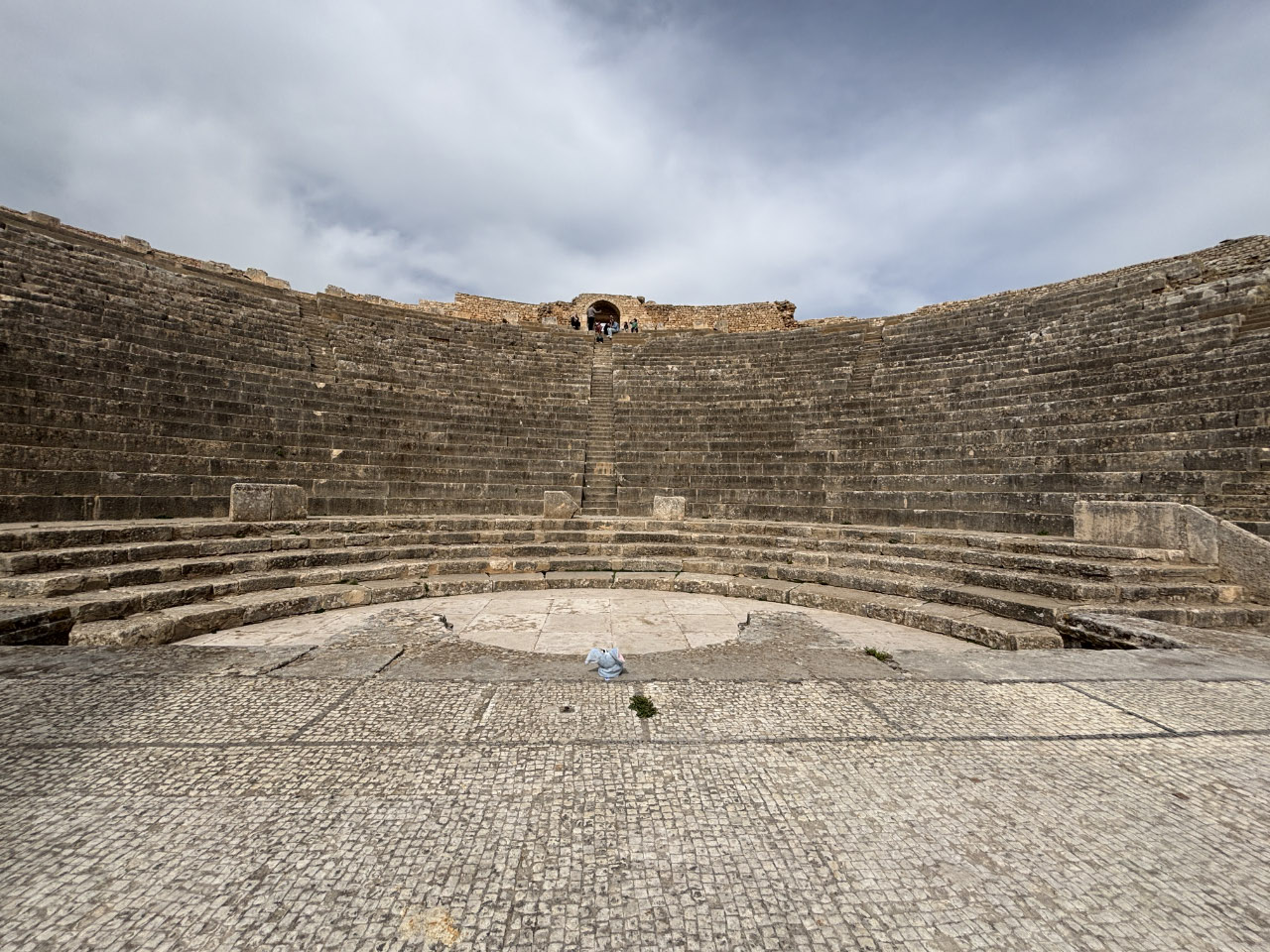
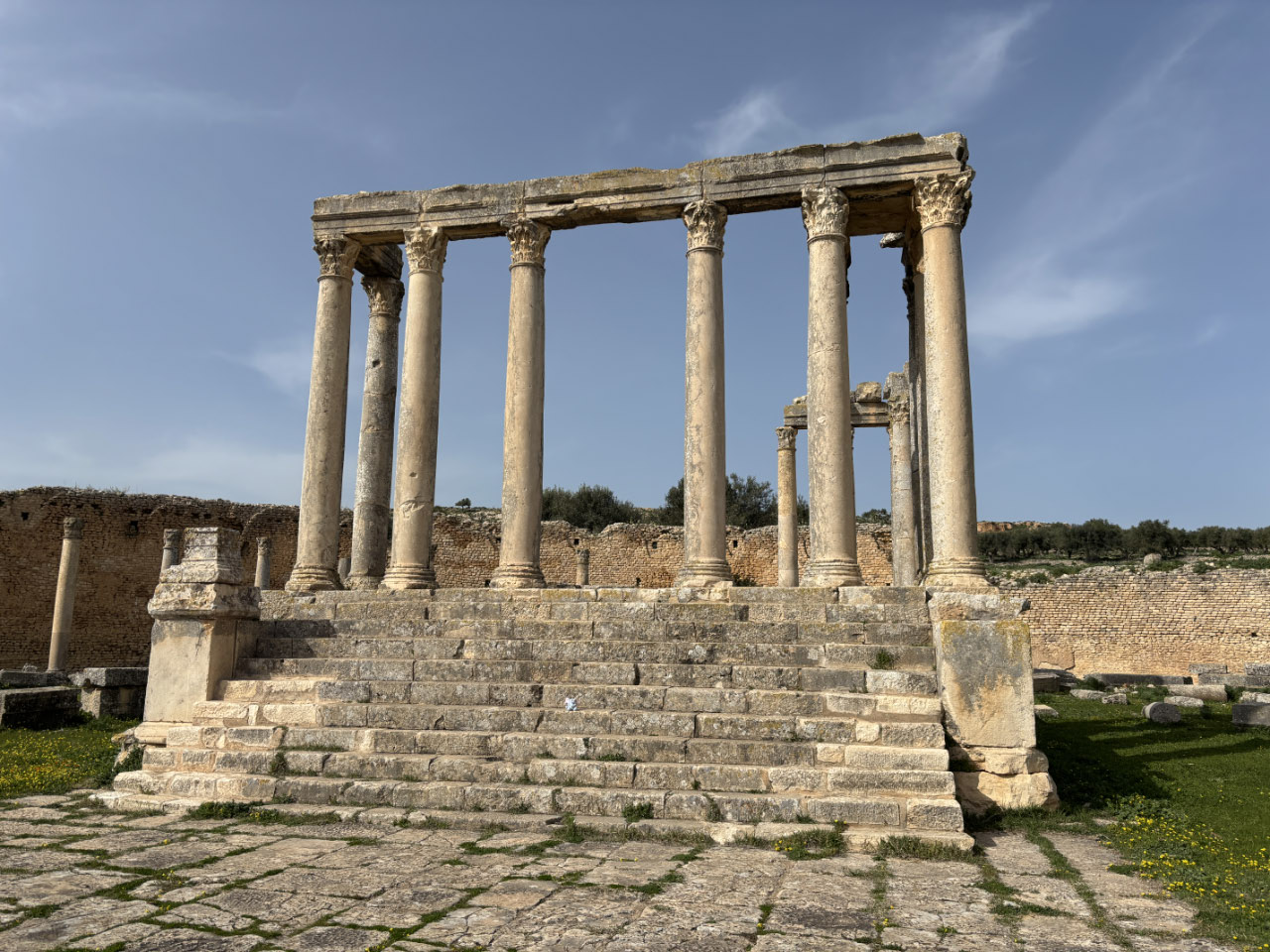
Next stop was the Dooga Roman ruins, they were absolutely amazing. The amphitheatre was as good as anywhere and beautifully presented. The temple of Mercury was massive and seemed to dominate the site. We wandered up to the Temple of Caesar that has an oriental (as in Greek) construction which us semi circular with a rectangular temple situated inside it.
The Roman baths were in very good condition as well.